Kristy Wakefield
Jul 26, 2021

Bloodborne Pathogens

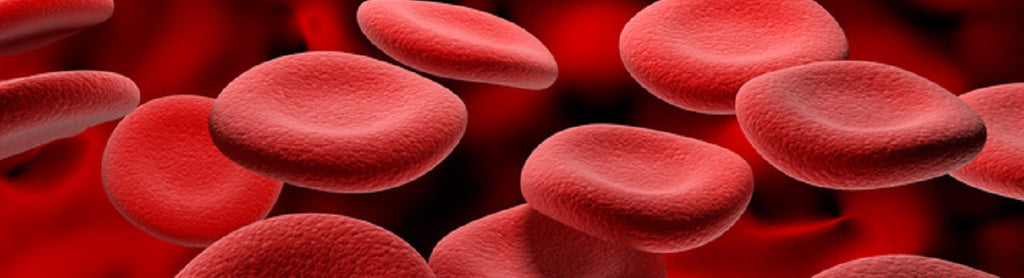
While you may not work an industry such as healthcare where exposure to bloodborne pathogens is a major concern, you should still be aware of how to prevent exposure. Whether at home or at work, the potential to have to provide first aid or clean up potentially infectious materials in your lifetime is high. Protecting yourself from exposure to bloodborne pathogens needs to be your first concern when dealing with potentially infectious materials.

Read More

Kristy Wakefield
Jul 26, 2021

Silica

If we breathe silica dust and particles into our lungs often enough and long enough, we can get a disease caused silicosis.

Silicosis is a disabling, progressive, non-reversible, and often deadly lung disease. You may show no symptoms in the early stages and severe breathing problems in the later stages.

Read More

Kristy Wakefield
Jul 26, 2021

Lead Safety

Exposure to lead is most common among plumbers, welders, painters, and demolition workers. You are most at risk when there’s lead dust, fume, or vapour in the air.

Severe lead poisoning may cause much more serious symptoms such as anemia and kidney, nerve, and brain damage. It has also caused miscarriages and stillbirths in pregnant women and reduced sperm count in men.

Read More

Kristy Wakefield
Jul 21, 2021

First Aid Preparedness

The best-case scenario is that you are never part of having to respond to an emergency or give assistance to an injured coworker. For many workers this unfortunately will not be the case. At some point it is very likely you will have to play a role in getting assistance for an injured coworker. Understand ahead of time what the plan is for different injuries. Make sure you have a backup plan if the go-to plan will not work. This knowledge can make the difference in saving a coworker’s life

Read More

Kristy Wakefield
Jul 20, 2021

Harvest Safety

Harvest is a productive time. The pressure may be exhilarating, but it also creates serious stress. This can only mean one thing: an increased risk of injury. To prevent injury and reap the benefits of the harvest you are working so hard at, take responsibility for your own safety. Injuries happen when you take shortcuts in performing routine tasks, work while mentally or physically fatigued, or fail to follow safety guidelines.

Read More

Kristy Wakefield
Jul 19, 2021

Fire Extinguisher Use and Inspection

Fire extinguishers can be an important tool in preventing a small fire from growing larger. However, they should not be used to combat large or rapidly spreading fires. The most important thing to do during a fire is to get yourself to safety then call the proper authorities to combat the fire. A building and the property inside are not worth putting yourself or anyone at risk trying to put it out with a fire extinguisher. It is important to understand how to use a fire extinguisher and the limitations they have.

Read More