
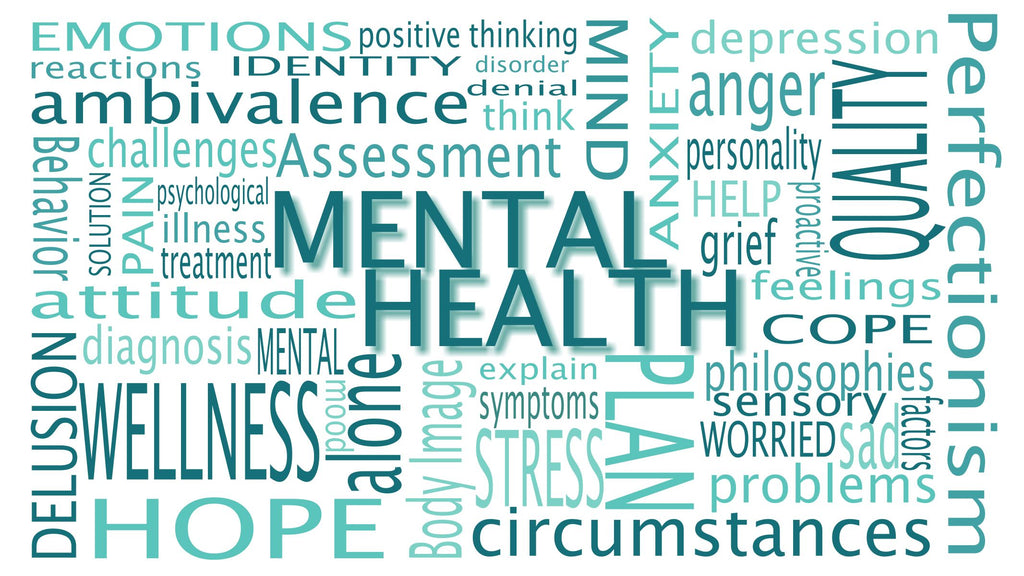
Mental health problems are common, especially depression, anxiety, and misuse of alcohol and other drugs. One person in two will experience some form of problem with their mental health at some point in their life.
At some point in our lives, all Canadians are likely to be affected by a mental illness, whether it be through a family member, a friend, a colleague – or through personal experience.
Given that most people who work spend most of their waking hours at work, understanding the human and financial costs of workplace mental illness is essential. This understanding helps employers to develop action plans for improving both employee well-being and the bottom line.
Research shows that mental illness can have a negative impact on the following workplace indicators
Some of us may find ourselves:
The causes of mental illness are complex and multifaceted. Work and the working environment play a key role and are fundamental to the solution. Work makes a significant contribution to mental health and well-being by providing self-esteem, fulfilment, opportunities for social interaction, and a source of income.
Improving mental health and well-being has been shown to have a direct impact on the bottom line.
These results are achieved through programs that promote and support the mental well-being of all employees by:
At some point in our lives, all Canadians are likely to be affected by a mental illness, whether it be through a family member, a friend, a colleague – or through personal experience.
Stigma Surrounding Mental Illness
There is a stigma associated with mental health problems. People are ashamed to discuss mental health problems with family, friends, and work colleagues. They may also be reluctant to seek professional help for such problems because of their concerns about what others will think of them.Stigma adds to the suffering caused by mental illness. It also stops many people with mental illness from seeking help.
At some point in our lives, all Canadians are likely to be affected by a mental illness, whether it be through a family member, a friend, a colleague – or through personal experience.- In 2012, approximately 2.8 million people reported symptoms related to one of six mental or substance use disorders in the past year.
- It is estimated that 500,000 workers in Canada miss work due to mental health problems.
- By the age of 40, it is estimated that 1 in 2 Canadians will have, or have had, a mental illness.
- Lost productivity due to mental illness in Canada is estimated to be $17 million annually.
Mental illness, just like physical illness, is part of the human condition. People of all occupations, income levels, and cultures, regardless of their education, age, or levels of success, can be affected.

What does Mental Illness Mean To A Business?
A 2011 Conference Board of Canada survey found that only 46% of respondents felt that their workplaces promoted mental health.Given that most people who work spend most of their waking hours at work, understanding the human and financial costs of workplace mental illness is essential. This understanding helps employers to develop action plans for improving both employee well-being and the bottom line.
Research shows that mental illness can have a negative impact on the following workplace indicators
- Absenteeism costs
- Turnover costs
- Employee Assistance Program (EAP) costs
- Short-term and long-term disability costs. Mental health problems and illnesses make up 30% of short- and long-term disability claims
- Workplace incidents
- Drug plan costs
Recognizing Signs of Mental Illness at Work
Excessive exposure to negative stress sources can have a harmful effect on your health. We may each experience a time when our mental health coping strategies are strained by stress, burnout, conflict, or life events.Some of us may find ourselves:
- Struggling to perform tasks that used to be easy
- Experiencing conflict although, it could be resolved easily
- Feeling overwhelmed by repetitive thoughts about what was said or done when we used to let it go
- Having feelings of apprehension or anxiety that will not easily go away
- Absenteeism
- Passiveness & defensiveness
- Substance Abuse
- Anger or aggression
- A growing inability to cope with daily problems and activities, confused thinking
Mental Well-being At Work
Mental well-being is a state in which an individual realizes their own abilities, can cope with the normal stresses of life, can work productively, and is able to contribute to their community and workplace. It is the foundation for individual health and the effective functioning of a community.As the employer, the key is to communicate without judgment. Collaborate with the employee to set individual and realistic performance goals, establish dates for giving feedback, and measure progress on reaching those goals. These techniques help to create a more effective and positive working relationship.
What else can employers do for mental well-being in the workplace?
- Create an organizational culture that values worker input in all aspects, including: planning, policy making, and setting goals.
- Ensure that managers and supervisors act to support the organization’s values.
- Balance job demands with workers’ capabilities and resources.
- Provide leadership training for managers and supervisors to learn their roles in reducing workplace stress.
- Foster opportunities for learning, skill development, personal growth, and social interaction with other workers.
- Address psychosocial hazards equitably to physical hazards.
How can workers address their mental well-being?
- Seek help when needed. Talk to your supervisor, human resources or health and safety representative. Use the Employee Assistance Program.
- Participate in planning with your manager to balance work demands and workload.
- Find a hobby or activity that helps you relax and brings happiness, then do it regularly.
- Share your feelings with someone you trust or write them down in a journal.
- Acknowledge when things are going well. Celebrate your successes.
- Get to know who you are, what makes you happy, and your stress triggers. Learn to acknowledge what you can and cannot change about yourself.
- Develop healthy habits such as regular exercise and sleep, and a balanced diet.
Advantages and Benefits Of Mental Wellness In the Workplace
Improved Recruitment & retention of employees
Employees have higher expectations. They expect to be treated fairly, recognized appropriately, and provided with opportunities to demonstrate their knowledge and develop new skills. Employers who create and sustain a ‘great place to work’ will attract and keep the best employees.
Improved Employee Engagement
An engaged employee is someone fully involved and enthusiastic about their work. When engaged, they view their interests as aligned with those of the company. They are more willing to extend an extra effort to assist clients, customers, and their colleagues. The result is improved performance, productivity, and better quality goods and services.
Improved Sustainability
Organizations, like individuals, must be resilient in order to respond to external demands (e.g. market challenges, layoffs, mergers or restructuring). Businesses with psychologically healthy employees are best equipped not only to survive, but to thrive, when facing challenges.
Improved Health & safety
Employers should create an atmosphere where there is a shared commitment to well-being and security. Staff will recognize their responsibility to care for their own physical and psychological health, but also will support colleagues whose behavior indicates that they are struggling or whose actions place others at risk. Staff are also more accepting and collaborative when accommodating a colleague returning to work from a disability absence, whether physical or psychological.

The causes of mental illness are complex and multifaceted. Work and the working environment play a key role and are fundamental to the solution. Work makes a significant contribution to mental health and well-being by providing self-esteem, fulfilment, opportunities for social interaction, and a source of income.
Improving mental health and well-being has been shown to have a direct impact on the bottom line.
These results are achieved through programs that promote and support the mental well-being of all employees by:
- Openly discussing and promoting positive mental health in the workplace
- Understanding and preventing issues that cause stress and mental illness
- Increasing awareness of the early warning signs of common mental disorders, and encouraging early intervention with subject matter experts
- Supporting employees who develop mental illness
- Developing effective policies to reintegrate and employ people who have experienced mental illness
 CAD
CAD USD
USD
This is a valuable resource for anyone interested in this subject. click here to learn more.
Your post was an eye-opener. I enjoyed reading it and would like to know more. To delve deeper, click here.
Your post was an eye-opener. I enjoyed reading it and would like to know more. To delve deeper, click here.
Say goodbye to the extra pounds and hello to a healthier you! This remarkable product helped me drop from 95kg to a lean and confident 60kg. Take charge of your weight today – click here to order and unlock your weight loss potential!
Revitalize Your Knees: A Comprehensive Review of Feel Good Knees Digital Ebooks
Introduction:
I used the Feel Good Knees Digital Ebooks product to address my persistent knee discomfort, and I must say, it exceeded my expectations. As someone who has struggled with knee pain for years, I was skeptical about yet another digital program promising relief. However, Feel Good Knees proved to be a game-changer in my journey towards healthier, pain-free knees.
Expert Guidance:
One of the standout features of Feel Good Knees is the expert guidance provided within the digital ebooks. The program is meticulously crafted by Todd Kuslikis, a renowned fitness expert with a specialization in joint health. His expertise shines through in the detailed instructions, clear explanations, and comprehensive approach to knee wellness. Each exercise and technique is backed by scientific principles, ensuring effectiveness and safety.
Holistic Approach:
What sets Feel Good Knees apart from other knee pain solutions is its holistic approach. Rather than offering quick fixes or temporary relief, this program addresses the root causes of knee discomfort. From strengthening exercises to mobility drills and relaxation techniques, every aspect of knee health is covered. I appreciated the emphasis on long-term results and overall well-being, rather than simply masking the symptoms.
User-Friendly Format:
Navigating the Feel Good Knees Digital Ebooks was a breeze, thanks to its user-friendly format. The materials are well-organized, with clear instructions and illustrations accompanying each exercise. Whether you’re a beginner or have experience with fitness programs, you’ll find the content easy to follow and implement. The accessibility of the digital format also means you can take your knee care routine anywhere, whether at home or on the go.
Customizable Workouts:
Another aspect of Feel Good Knees that I found invaluable was its customizable workouts. The program recognizes that everyone’s knee issues are unique, so it offers flexibility in tailoring the exercises to individual needs. Whether you’re recovering from an injury, managing arthritis, or simply looking to prevent knee pain, you can adapt the workouts to suit your specific situation. This personalized approach ensures maximum benefit and results.
Progress Tracking:
Tracking progress is crucial for staying motivated and seeing results, and Feel Good Knees makes it easy with its progress tracking tools. The ebooks include worksheets and tracking sheets to monitor your exercises, pain levels, and improvements over time. Seeing tangible progress not only boosts confidence but also reinforces commitment to the program. I found this feature particularly helpful in staying accountable and staying on track with my knee care routine.
Positive Results:
After using Feel Good Knees for several weeks, I can confidently say that it has made a significant difference in my knee health. Not only has my pain diminished, but I also feel stronger, more flexible, and more confident in my movements. Tasks that once caused discomfort, such as climbing stairs or bending down, are now much easier and pain-free. The sense of relief and improved quality of life is truly priceless.
Conclusion:
In conclusion, Feel Good Knees Digital Ebooks exceeded my expectations in every way. From its expert guidance and holistic approach to its user-friendly format and customizable workouts, it’s a comprehensive solution for anyone struggling with knee pain. If you’re tired of living with constant discomfort and limitations, I highly recommend giving Feel Good Knees a try. Your knees will thank you for it.
https://tryfeelgoodknees.com/vsl-v2/#aff=preet119
Showing: 516-520 of 2670